
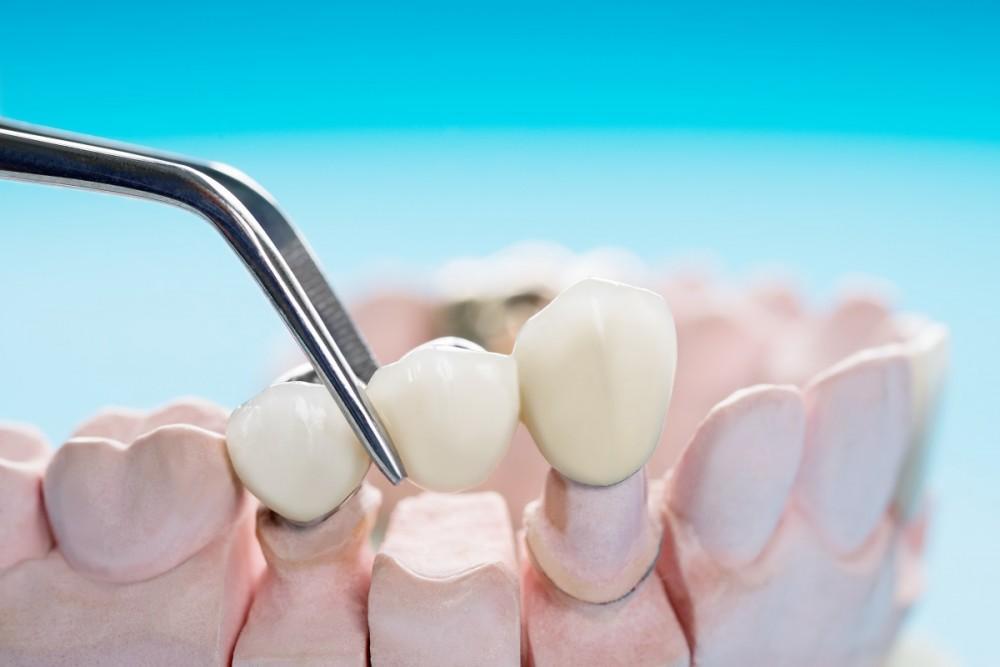
Patients often ask “Which Tooth Crowns Are Best?” as if there’s a single correct answer, similar to choosing the best phone or the best car. But crowns don’t fail because they weren’t the “top material.” They fail because the wrong crown was chosen for the wrong tooth, or because the bite wasn’t respected.
From a dentist’s perspective, crown selection is not about materials first. It’s about understanding how that specific tooth functions, how much force it takes, how it contacts opposing teeth, and how much healthy structure remains. Once those factors are clear, the “best” crown usually becomes obvious.
What Actually Causes Tooth Crowns to Fail
Before talking about materials, it’s important to understand failure.
Crowns most commonly fail due to:
- Excessive bite force concentrated in one area
- Teeth grinding or clenching that wasn’t accounted for
- Over-preparation that weakens the remaining tooth
- Poor margin design that allows leakage or decay
- Bite adjustments that were rushed or skipped
Material choice matters, but it’s rarely the main reason a crown breaks or hurts.
Why Tooth Location Matters More Than Crown Type
To understand Which Tooth Crowns Are Best?, you must consider tooth position. Front teeth don’t chew the way molars do. They guide the bite and absorb sideways forces. Molars handle vertical pressure from chewing. Premolars sit in between and often fracture when poorly planned.
A crown that works beautifully on a front tooth may fail quickly on a molar. Likewise, the strongest crown in the mouth can still fail if placed where flexibility is needed.
This is why dentists don’t think in terms of “best crown”, they think in terms of best crown for this tooth.
When Porcelain or Ceramic Crowns Are the Best Choice
Porcelain and ceramic crowns work best when:
- The tooth is visible in the smile
- Bite forces are moderate and well balanced
- A natural enamel-like appearance matters
- The dentist can preserve enough healthy tooth structure
These crowns succeed when aesthetics and controlled function align. They fail when placed on high-pressure teeth without proper bite planning.
When Zirconia Crowns Are the Smarter Option
Zirconia crowns are chosen when strength matters more than translucency.
They perform best on:
- Back molars with heavy chewing forces
- Patients who grind or clench
- Teeth with reduced remaining structure
However, strength alone isn’t a guarantee. Overly rigid zirconia placed without proper bite adjustment can transfer stress elsewhere, causing discomfort or damage to opposing teeth.
Why Metal Crowns Still Outlast Most Others
Metal crowns rarely chip, seldom fracture, and are extremely forgiving under pressure. While they may not be the first thought when patients ask “Which Tooth Crowns Are Best?”, dentists know they are among the most durable options.
When longevity is the primary goal and visibility is low, metal crowns remain one of the most predictable restorations in dentistry.
The Role Most Patients Don’t See: Bite Planning
This is where outcomes are decided.
Two identical crowns placed on two different patients can have completely different outcomes depending on how the bite is adjusted. Even the “best” crown material will fail if it takes too much force too soon.
Dentists who take time to evaluate bite dynamics, rather than just cementing and moving on, see dramatically fewer post-crown complaints.
How Clove Dental Santa Monica Approaches Crown Selection Differently
Crown success is rarely about speed. It’s about restraint, planning, and precision.
At Clove Dental Santa Monica, crown decisions are made by first analyzing bite forces, tooth structure, and long-term risk, not by defaulting to a single material. Conservative preparation, controlled material selection, and detailed bite checks are prioritized to prevent fractures, sensitivity, and future retreatment.
This approach reduces crown failures that patients often assume are “just bad luck.”
Final Answer
So, Which Tooth Crowns Are Best? The best tooth crown is the one that:
- Fits the tooth’s role in your bite
- Respects remaining tooth structure
- Matches force demands
- Is adjusted precisely after placement
Material matters, but judgment matters more. Crowns succeed when dentists plan for how teeth actually function, not how they look in isolation.