
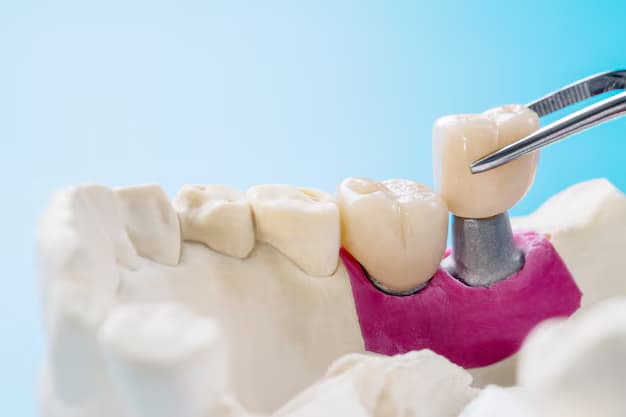
If your dentist has recommended a crown, you may be wondering what is a tooth crown and whether it’s really necessary. Tooth crowns are one of the most widely used restorative treatments in dentistry because they solve structural and functional problems that fillings alone can’t fix.
Even a broken tooth does not necessarily have to be extracted. A crown enables dentists to leave your natural tooth intact in most instances, and at the same time, buttress it against the normal forces in biting. Crowns may be the best solution in cases where the patient seeks a permanent solution, but not a temporary one.
Understanding how tooth crowns work, when they’re used, and what to expect can help you make informed decisions about your dental care.
What Is a Tooth Crown?
A tooth crown is a tailor-made cap and it is fitted on a damaged or weakened tooth in order to rebuild its shape, strength and functioning. It helps to preserve the rest of the tooth structure as well as to be able to chew and have a natural looking smile.
In simple terms, if you’re wondering what are tooth crowns, they are full-coverage restorations designed to reinforce and preserve teeth that can no longer safely function on their own.
What Are Tooth Crowns Used For?
In a tooth which can no longer support itself safely a tooth crown results. Instead of extracting the tooth, dentists strengthen it by a cover made over the exposed part.
Crowns are commonly used to:
- Existing fissured or fractured teeth are strengthened.
- Defend teeth that have big fillings.
- Root canal treated teeth: restore teeth.
- Enhance the form or dimensions of broken teeth.
- Support dentin braces or cover implants.
It is not merely about appearance, but it is about preservation of teeth in long term.
How Tooth Crowns Protect Your Teeth
Once a tooth is damaged, it becomes more vulnerable to pressure, temperature changes, and further cracking. A crown redistributes biting forces evenly around the tooth, reducing stress on weak areas.
By sealing the tooth completely, crowns also help prevent bacteria from entering and causing decay beneath the surface. This protective role is why dentists often recommend crowns before pain or breakage occurs.
What Are Tooth Crowns Made Of?
There are a number of materials used in making a crown that are offered by modern dentistry and these have been chosen depending on the where the teeth are located and the purposes they perform.
Porcelain and ceramic crowns are mostly used on front teeth as they resemble the enamel votarily. Zirconia crowns have a reputation in terms of strength and are usually utilized to support back teeth which demand heavy chewing. Fused/fused fused crowns Fused crowns, which are porcelain blended with metal, are both strong and look natural, but are now less common.
There are forces of the bite, aesthetics and durability that your dentist takes into account when selecting the most appropriate material.
What Is the Tooth Crown Procedure Like?
There are usually two visits in attaining a crown.
The dentist forms the tooth and impresses it during the first visit to be able to make the crown fit correctly. A provisional crown is made as the permanent one is being created.
During the second visit, the last crown is fitted in and this makes it comfortable and bound permanently. When pinned, it pulls like a natural tooth.
Are Tooth Crowns Considered Cosmetic or Restorative?
Tooth crowns are rather restorative than cosmetic. Their primary effect is to improve and reclaim worn teeth. Although crowns are attractive, they are designed to enhance functionality, and such quality is more important than what crowns should look like.
In other instances, the crowns are also applied to enhance the appearance of the severely worn or misshapen teeth although they are still applied with structural considerations.
How Long Do Tooth Crowns Last?
Under most circumstances, the crowns can last 10 to 15 years or more, provided that there is proper care. The duration in which they live is determined by their oral hygiene practices, their bite forces, and the presence of teeth grinders among the patients.
Dental checkups assure stability of crowns and help detect minor problems at an early phase before they escalate into serious problems.
When Should You Consider a Tooth Crown?
Dentists may recommend a crown when:
- A filling would be too large or unstable
- A crack threatens the tooth’s integrity
- A tooth has undergone extensive treatment
- Ongoing wear risks further damage
Choosing a crown early can often prevent more invasive procedures later.
How Santa Monica Dentists Approach Tooth Crowns Today
Dental care in health conscious societies such as the Santa Monica is more of preservation and the long term benefit. The crowns are well-designed keeping in pace with natural tooth structure and providing durability and comfort.
The Clove Dental in Santa Monica uses high-quality imaging and material selection when designing crowns that are natural and comfortable to wear but help to maintain oral health in the long run.
Final Thoughts
Tooth crowns are not merely a fix to what is already broken, but rather a guard of the one that remains. A crown can be a lifesaver when it is used at the appropriate time and can also help to regain confidence and help to avoid dental crises in the future.
When you have been advised about a crown by a dentist, it is most likely that they have prescribed that as it is the surest of having a healthy smile that can serve you effectively in years to come.