
Are you wondering if a dental bridge is the right way to fix a missing tooth? Do you feel unsure about how it works, how long it lasts, or whether it will feel natural?
A dental bridge may be a lasting and natural solution to missing teeth, however, it cannot be good unless it is decided by the appropriate reasons and the appropriate mouth. It is good to know how bridges perform, what they need your teeth to do and what it is like living with them in the day before proceeding to make a decision.
To help you make an informed choice, we’ve put together this easy-to-follow guide on things you should know before considering a dental bridge, written clearly and simply so you know exactly what to expect.
What Is a Dental Bridge?
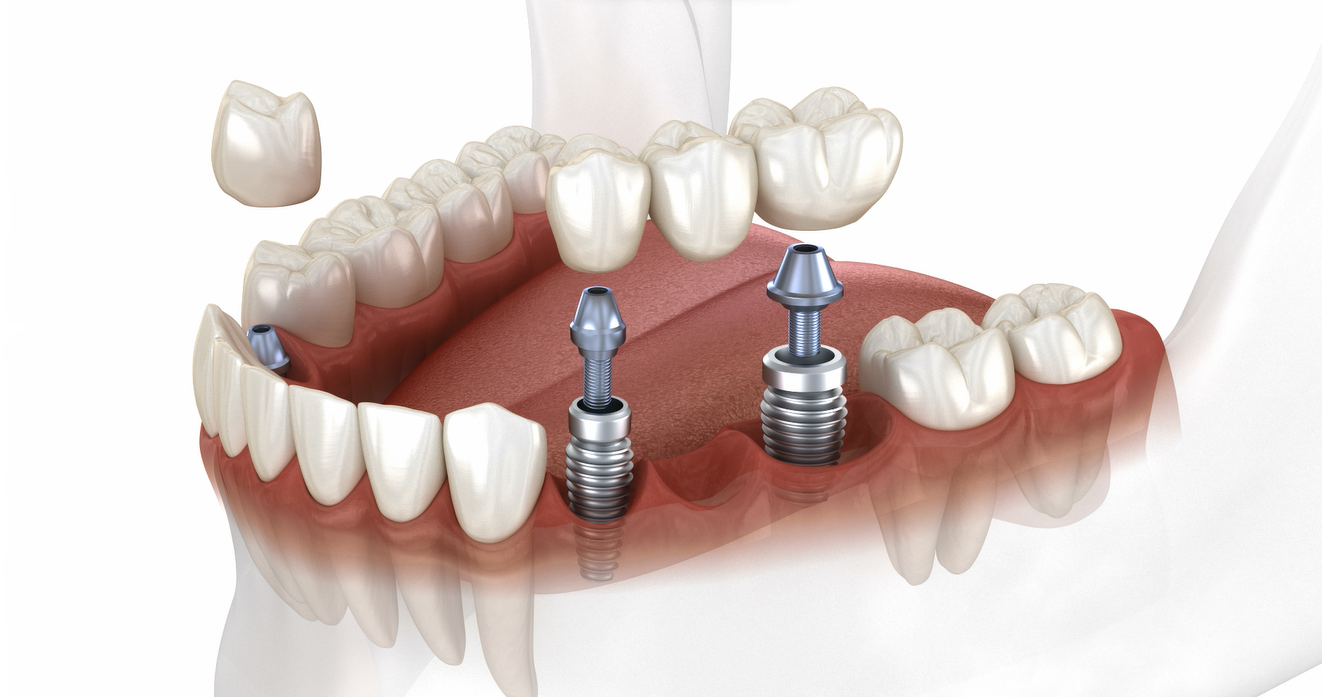
A dental bridge is a fixed dental restoration that fills the gap left by a missing tooth. It uses the teeth on either side of the gap, called supporting or anchor teeth, to hold an artificial tooth in place.
Unlike removable dentures, a bridge stays in your mouth and feels more like natural teeth. This is one reason many patients explore things you should know before considering a dental bridge when they want a stable, everyday solution.
Why Replacing a Missing Tooth Matters
When a tooth is missing, the space does more than affect your smile. With time surrounding teeth may move, chewing will not be symmetrical and the support of the jawbone may be weakened.
Replacing a missing tooth with a bridge can help:
- Keep nearby teeth from moving
- Maintain normal chewing and speech
- Support facial shape
- Restore balance to your bite
These benefits make understanding things you should know before considering a dental bridge especially important before delaying treatment.
What Types of Dental Bridges Are Available?
Not all dental bridges are the same. The right type depends on where the gap is and how strong the nearby teeth are.
Common options include:
- Traditional bridges – supported by crowns on both sides
- Cantilever bridges – supported on one side only
- Maryland bridges – bonded with metal or ceramic wings
- Implant-supported bridges – anchored to dental implants
Each type has specific pros and limits, which is why one of the most important things you should know before considering a dental bridge is that it must be chosen carefully, not quickly.
Are Your Nearby Teeth Strong Enough?
A dental bridge is dependent on the neighbouring teeth. Provided that these teeth are either soft, or mostly occupied, or even have some gum disease, they may not hold a bridge securely.
Before recommending treatment, we carefully evaluate:
- Tooth strength
- Gum health
- Bite pressure
- Bone support
At Clove Dental Santa Monica, we take a conservative approach, because placing a bridge without strong support can cause problems later.
How Long Does a Dental Bridge Last?
A dental bridge may take 7-15 years or even more depending on the dental care provided. But, long time life is subject to the daily routines and dental check-ups.
Important things you should know before considering a dental bridge include:
- Brushing twice daily
- Cleansing beneath the bridge using distinctive instruments.
- Not biting too much on food which is hard.
- Raising competitive with professional cleanings.
Bridge is an investment and proper maintenance of the bridge protects both the bridge itself and the teeth which support it.
What Is the Procedure Like?
The process usually takes two visits. During the first appointment, the supporting teeth are shaped, and impressions are taken. A temporary bridge may be placed while the final one is made.
On the second visit, the permanent bridge is carefully fitted and adjusted. Most patients are surprised by how natural it feels once placed, which is why learning things you should know before considering a dental bridge helps reduce anxiety ahead of time.
Is a Dental Bridge Always the Best Option?
Not always. Long term better solutions may be dental implants or partial dentures in certain cases. A bridge works best when:
- The gap is small to moderate
- Towards teeth that already require crowns.
- Bone loss is limited
Understanding things you should know before considering a dental bridge helps you compare options rather than choosing based on convenience alone.
Why a Personalized Consultation Matters
Every mouth is different. Bite pressure, jaw movement, and oral health history all play a role in whether a bridge will succeed.
It is why we think that decisions can never be made in a hurry. Critical analysis and sincere dialogue can make sure that the solution suits your lifestyle, and not only your smile.