
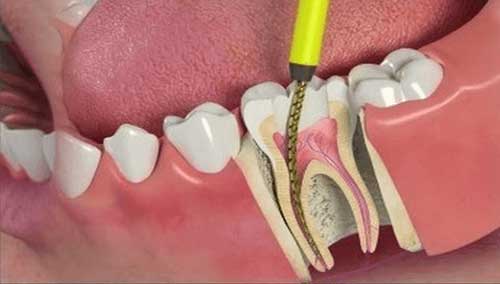
Porcelain veneers are designed to enhance aesthetics while preserving as much natural tooth structure as possible. However, when a tooth with a veneer develops deep decay, trauma, or nerve infection, patients often worry whether the veneer will be damaged, or lost, during a root canal.
This is where taking care of a porcelain veneer during a root canal treatment becomes an important part of treatment planning. Veneers are bonded and very thin forms of restorations, and it is essential to be careful and precise when accessing the nerve of a tooth. The positive thing is that the contemporary dentistry makes many root canals possible without taking away or substituting the veneer in case the tooth is examined and treated properly. Learning about dentists in safeguarding the veneers in a root canal treatment procedure enables patients to make informed choices with confidence.
Can a Root Canal Be Done Without Removing a Porcelain Veneer?
Yes, in many cases it can.
A key part of taking care of a porcelain veneer during a root canal treatment is choosing an access point that avoids the visible front surface. These veneers are often accessed by the dentists through the back or the biting area leaving the veneer intact. This can be done in the case where the veneer has been well bonded, no cracks, and when the tooth structure is healthy.
Nevertheless, when the veneer is already damaged or is an impediment to accessing the infected pulp safely, it can be advised to remove it to avoid further harm or failure over time.
Why Dentists Are Cautious With Veneered Teeth
Porcelain veneers are strong but brittle. Cracks or debonding may occur because of excess pressure, vibration, or un-planned access. Dentists should also take care not to contaminate the veneer margins in the process of a root canal and this will weaken the bond in the long run.
This is why veneer-preserving root canal treatment requires more precision than treatment on an uncovered tooth.
How Dentists Protect a Veneer During Root Canal Treatment
Protection begins before the procedure starts. Dentists evaluate X-rays, veneer margins, and bite forces to determine the safest access point.
When being treated, they are attentively isolated to avoid moisture being in contact with the veneer bond. Drilling is also conservative so less stress on porcelain is coupled with minimal vibration caused by controlled instrumentation. All the steps are meant to save the health of the tooth as well as the integrity of the veneer.
What Happens After the Root Canal?
Once the root canal is complete, the tooth becomes more brittle because it no longer contains living pulp. Even if the veneer remains intact, the tooth may need additional internal support.
Part of taking care of a porcelain veneer during a root canal treatment includes planning the final restoration. In other instances, dentists prescribe a long-term protection to the veneered tooth by crowns. In others the veneer is adequate in case the tooth structure is as well. This is because this will depend on bite pressure, tooth location, and any restorations present.
Signs Your Veneer Needs Attention After a Root Canal
Patients should monitor for:
- New sensitivity when biting
- A feeling that the veneer edge is rough or raised
- Discoloration around the veneer margins
- Persistent discomfort after healing
These signs don’t always mean the veneer failed, but they should be evaluated early to avoid more extensive treatment.
How Clove Dental Santa Monica Approaches Veneer-Safe Root Canals
There must be a tradeoff between health and aesthetics in terms of maintaining cosmetic dental work in such cases of the need to have cosmetic work done to preserve health. Infection control should be the main priority of dentists who ensure that old restorations are respected.
At Clove Dental Santa Monica, taking care of a porcelain veneer during a root canal treatment is approached with a conservative philosophy. Detailed imaging, precise access planning, and careful post-treatment evaluation help ensure that veneers are preserved whenever safely possible, without compromising the success of the root canal.
Final Thoughts: Protecting Your Veneer While Treating the Tooth
Root canal does not necessarily imply losing porcelain veneer. Having well evaluated and accurate technique, there are high chances that many veneers can be left intact and functional following treatment.
The most important is caring[2] in time and selecting a dental team that has prior knowledge on dealing with the cosmetic restorations and elaborate restorative treatments. Early intervention is also the most likely way that the dentists will be able to save your tooth, as well as your money in your smile.