
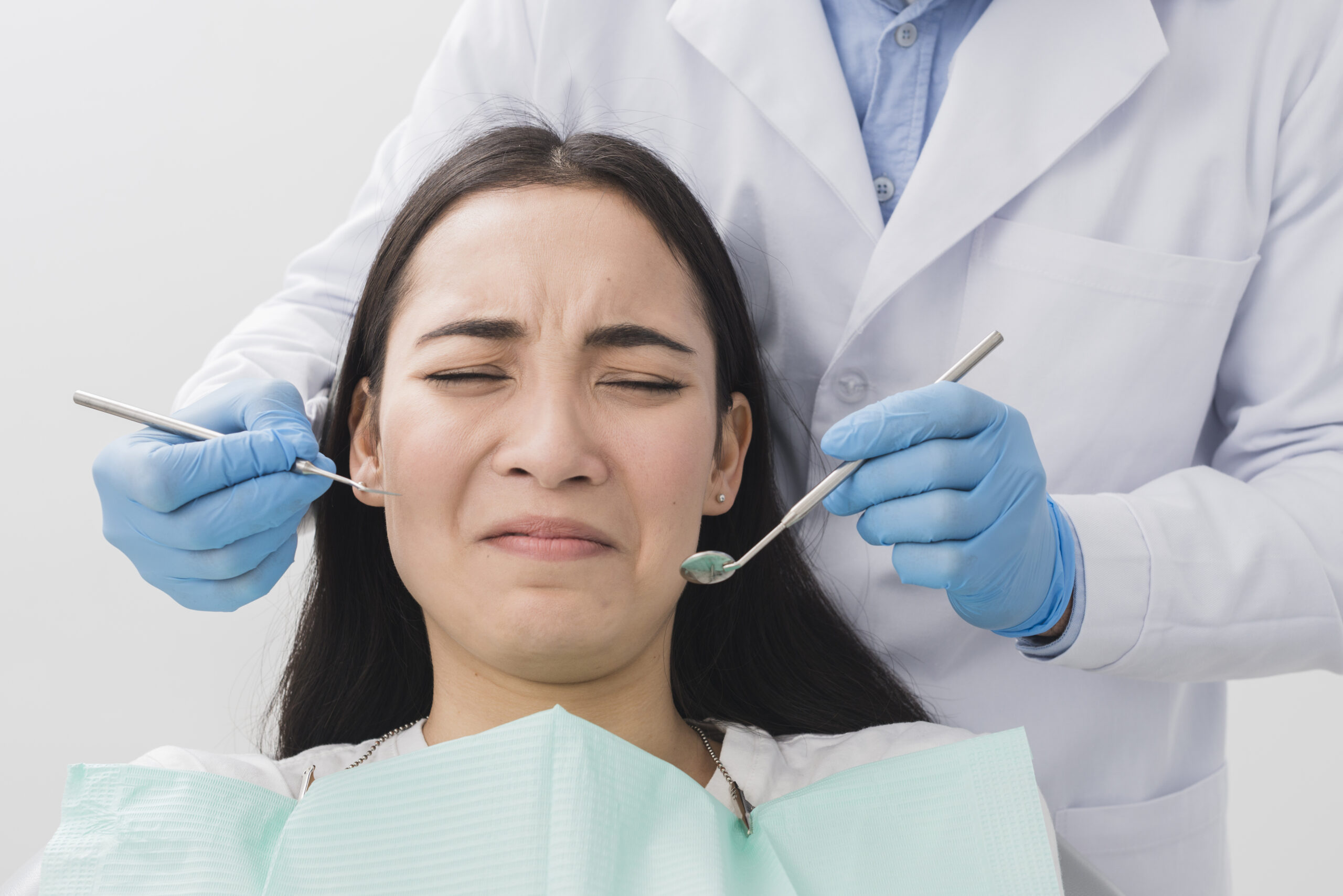
When patients hear they require a dental crown, their biggest concern is: “Is a Dental Crown Procedure Painful?” The idea of reshaping a tooth can sound invasive if the tooth already hurts. This fear is understandable but it is based on assumptions rather than on how crown procedures are performed today.
Modern dentistry places crowns with a strong focus on comfort, precision, and long-term function. In most cases, patients are surprised by how manageable the experience feels. More importantly, crowns are often recommended because they prevent future pain and damage. Understanding how a dental crown is put on can make you feel less worried and help you make better choices about your care.
Does It Hurt During a Dental Crown Procedure?
No, pain during the procedure is not expected.
Before we begin, the dentist will numb your teeth and gums. After that, you should not feel any sharp pain. You might feel some pressure or buzzing while we work on your tooth for the crown.
If discomfort is felt at any point during the procedure, anesthesia can be adjusted immediately. Dentists depend on the patient’s feedback during the process and do not continue through pain.
What Sensations Are Normal While a Crown Is Being Placed?
A dental crown procedure is noticeable but not painful. Patients may feel pressure from the tools, vibrations during tooth preparation, or jaw fatigue from keeping their mouth open.
These sensations are temporary and comparable to receiving a large filling. They do not indicate injury or damage to the tooth.
Is It Normal to Have Pain After Getting a Crown?
It is normal to feel some mild discomfort after your appointment once the numbness goes away. You might notice gum tenderness around the crown or temporary sensitivity to hot or cold. These symptoms get better within one to three days as your tissues adjust.
If you experience pain that gets worse, lasts longer than several days, or occurs when you bite down, this is not normal. You should contact your dentist right away.
Why Dental Crowns Often Relieve Tooth Pain?
Crowns are used to cover teeth that are already damaged, cracked, filled, or weak. These teeth can be painful before treatment because they bend when pressure is applied or they reveal sensitive parts inside.
By fully covering and stabilizing the tooth, a crown redistributes bite forces and protects infected areas. For many patients, such results in less sensitivity and enhanced comfort compared to how the tooth felt before treatment.
Is a Crown More Uncomfortable Than Other Dental Treatments?
In most cases, no. A crown procedure feels similar to placing a large filling. Because crowns provide full coverage and long-term stability, they often prevent repeated discomfort that can occur when weakened teeth are treated conservatively for too long.
When Pain After a Crown Needs Attention
Pain should be evaluated if it persists beyond a few days, worsens over time, or occurs mainly when chewing. These symptoms are often related to bite alignment or underlying tooth inflammation rather than the crown itself.
When addressed early, these issues are usually resolved with simple adjustments.
How Clove Dental Santa Monica Minimizes Pain During Crown Procedures?
Getting a crown for your tooth can be comfortable if we plan carefully. How you feel after the treatment can depend on a few things, like how much of your tooth is taken away, how well the crown fits, and if your bite feels right.
At Clove Dental Santa Monica, we make your comfort our priority when doing crowns. We gently prepare your tooth, use numbing medicine to keep you pain-free, and check your bite carefully before putting on the crown. We’ll also let you know what feelings are normal after the treatment and what you should tell us if something doesn’t feel right. This way, we can help solve small problems before they become big ones.
Final Answer
For the vast majority of adults, a dental crown procedure is not painful. After getting a crown, it’s normal to feel some mild soreness, but crowns help protect damaged teeth and usually relieve the pain that caused the treatment.
Delaying care due to fear can allow damage to worsen. When the crown is placed at the right time and with proper technique, you feel comfort, function, and confidence. The patients do not feel any further worry.