
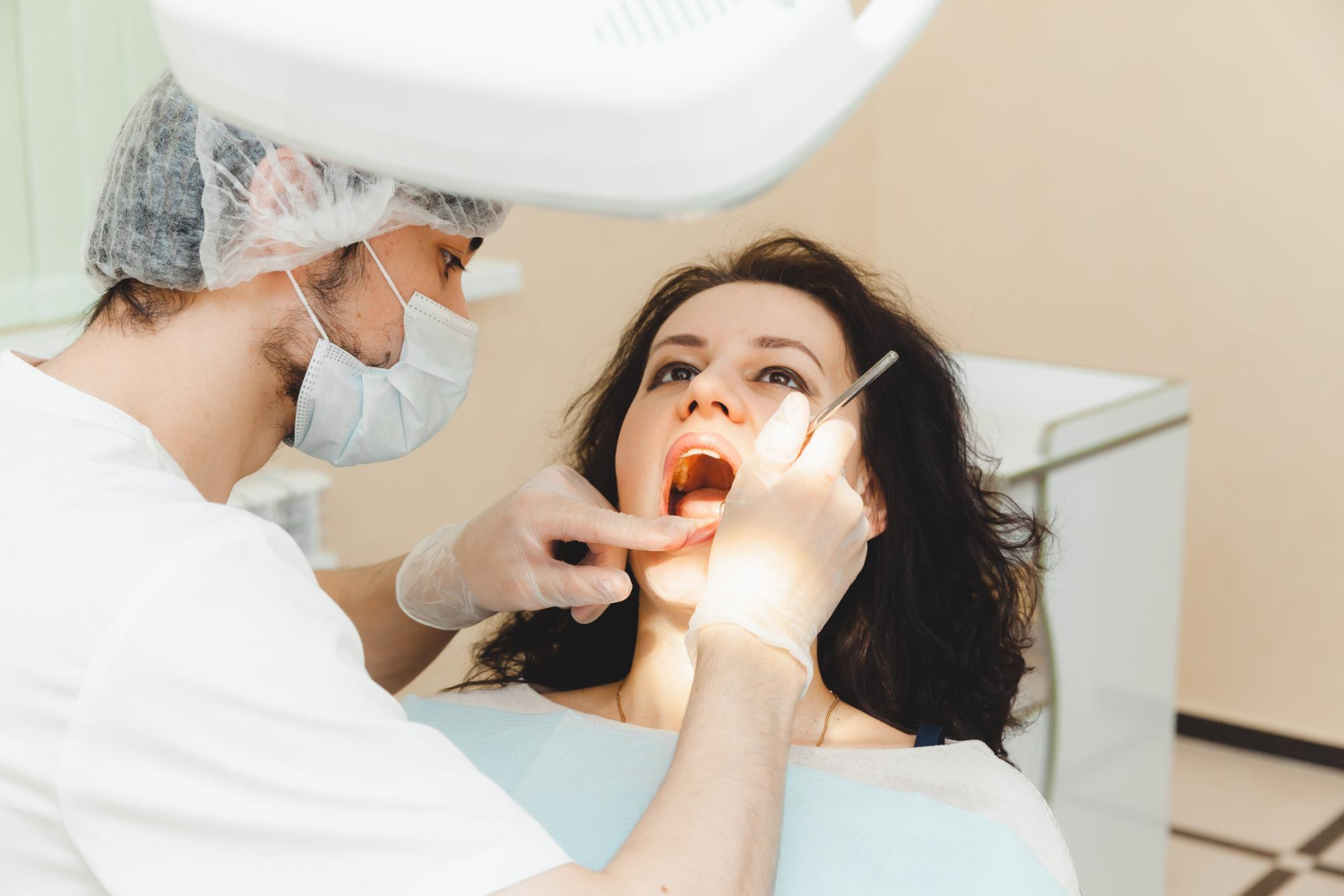
You bit into something the wrong way, or maybe an old filling finally gave out, and now you’re staring at a damaged tooth wondering how bad the fix will be. This is the exact moment patients start searching for onlays near me, hoping the answer is a repair rather than a full rebuild. The good news is that the decision isn’t as complicated as it feels once you understand what we’re looking at.
An onlay and a crown solve the same basic problem: protecting a tooth that’s lost too much structure to trust a regular filling. But they’re not interchangeable, and choosing wrong in either direction can cost you comfort, time, or the tooth itself. So let’s walk through exactly how this call gets made, because it’s rarely explained the way patients experience it firsthand.
The Cusp Test Most Patients Never Hear About
Every back tooth has cusps, the raised points that do the heavy lifting when you chew. When damage or decay affects one or two cusps but leaves the rest of the tooth solid, an onlay can cover just that section. This is the single biggest factor behind most searches for “onlays near me”: patients want to know if their tooth qualifies for a partial fix instead of a full cap.
We check this by looking at how much of the tooth’s natural structure remains standing on its own, without support. If enough walls are intact and stable, an onlay lets us preserve that healthy structure instead of shaving it down to make room for a crown. If the walls are too thin or cracked, a crown becomes the safer long-term choice.
Why We Sometimes Say No to an Onlay, Even When Patients Ask For One
Here’s something you won’t read in most dental blogs: sometimes a patient specifically requests an onlay, having researched “onlays near me” ahead of their appointment, and we still recommend a crown instead. This isn’t about upselling. It’s about what happens six months or a year later.
If a tooth has hairline cracks running toward the root, or if there’s been a previous root canal that weakened the structure further, an onlay simply won’t hold under normal chewing pressure. Placing one anyway would mean a repeat visit, more cost, and a tooth that’s now been drilled twice instead of once. We’d rather have that honest conversation upfront than let a patient discover the hard way why the recommendation changed.
The Material Question That Changes the Bite Feel
Patients rarely ask about this part, but it matters more than people expect. Onlays are often made from materials like porcelain or composite resin that bond directly to the remaining tooth structure, creating a seamless feel when you bite down. Crowns, by comparison, wrap the entire tooth and can feel slightly different against your bite until your mouth adjusts.
This is one more reason so many people look up “onlays near me” before agreeing to a crown. When the tooth qualifies, an onlay tends to feel more like your natural tooth because more of your natural tooth is still there.
What Happens During Your Appointment, Step by Step
If you come in searching “onlays near me” and your tooth turns out to be a candidate, the process typically takes one to two visits.
We remove the damaged portion, take an impression or digital scan, and either place a same-day restoration or a temporary while a lab crafts the final piece. Either way, we walk you through which path fits your specific tooth before any drilling begins.
Trusting the Recommendation, Not Just the Search Term
We know why patients search “onlays near me” instead of just booking whatever their dentist recommends. Nobody wants unnecessary work done on a tooth that could have been saved with less.
At Clove Dental Santa Monica, our goal is to give you the option that protects your tooth for the long run, whether that’s an onlay or a crown, and to explain clearly why one makes more sense than the other for your specific situation.
Recovery from either option is straightforward. Most patients are back to eating normally within a day, though we recommend avoiding sticky or extremely hard foods on the treated side for the first week while the bond fully sets. Follow-up checks make sure the bite feels even and nothing rubs against the opposing tooth in a way that shouldn’t happen.
Ready to Find Out Which Option Fits Your Tooth
If you’re dealing with a cracked or worn tooth and searching “onlays near me” for answers, the best next step is a proper look at what’s happening underneath the surface. We’ll check your cusps, your bite, and the health of the remaining structure before recommending anything. Come in, and let’s figure out together what your tooth genuinely needs.