
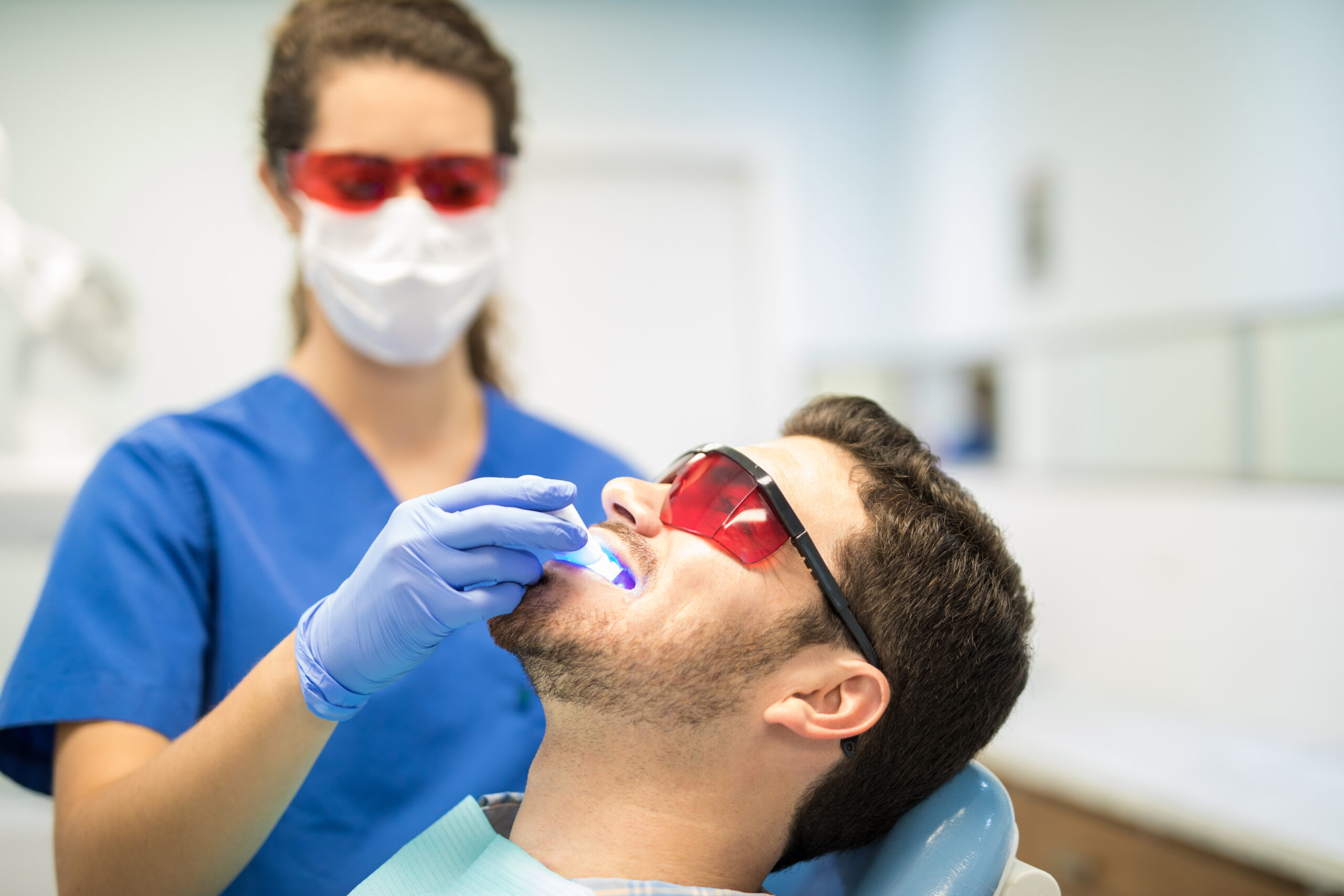
Key Takeaways
- Teeth whitening fades faster when enamel is exposed to dehydration, acids, and frequent staining foods or drinks. These factors are common in active lifestyles.
- Sun exposure and dehydration reduce saliva, which normally helps protect teeth from stains.
- Diet plays a major role in how long whitening results last, especially for people who rely on coffee, energy drinks, or citrus-based foods.
- Whitening isn’t a one-time fix; maintenance matters more for active individuals.
- Understanding how lifestyle affects teeth whitening services helps patients maintain results longer and avoid disappointment.
Do your teeth look brighter right after whitening, but seem to dull again sooner than expected? If you spend a lot of time outdoors, stay active, or follow an on-the-go routine, your lifestyle may be working against your whitening results. Teeth whitening doesn’t fade randomly. It fades for reasons, and many of them are tied to daily habits people don’t connect to their smile.
At Clove Dental santa monica, we often explain to patients why teeth whitening services don’t last the same amount of time for everyone, and why active, outdoor lifestyles need a different approach.
Why Whitening Results Vary From Person to Person
Teeth whitening works by lifting stains from enamel. But enamel is porous, which means it can reabsorb stains over time. How quickly that happens depends on daily exposure.
People with active lifestyles often:
- Drink more acidic or staining beverages.
- Spend long hours outdoors.
- Experience frequent dehydration.
These factors don’t make whitening ineffective, but they do explain why teeth whitening services may fade faster for some patients.
Sun Exposure and Dehydration: The Overlooked Factors
Spending time outdoors often leads to dehydration, even when you feel fine. When your body is dehydrated, saliva production drops.
Saliva plays a key role in:
- Neutralizing acids
- Washing away surface stains
- Protecting enamel
Without enough saliva, teeth are more vulnerable to staining. This is one reason active patients notice their teeth whitening services don’t last as long as expected.
How Diet Accelerates Whitening Fade
Diet is one of the biggest contributors to stain return. Many active people rely on quick, convenient foods and drinks that are tough on enamel.
Common culprits include:
- Coffee and iced coffee
- Sports and energy drinks
- Citrus fruits and smoothies
- Wine and flavored sparkling water
Acidic drinks open enamel pores, making it easier for stains to settle back in. Over time, this shortens the lifespan of teeth whitening services.
Sweat, Mouth Breathing, and Dry Mouth
Physical activity often leads to mouth breathing, especially during workouts or long outdoor activities. Mouth breathing dries out the mouth and reduces saliva flow.
Dry mouth can:
- Increase surface staining.
- Make teeth feel rougher.
- Speed up color changes after whitening.
For patients who are frequently active, protecting results from teeth whitening services means managing dryness as much as managing stains.
Why Whitening Isn’t Failing, Your Lifestyle Is Just Tougher on Teeth
When whitening fades quickly, patients sometimes assume the treatment didn’t work. In reality, the whitening did exactly what it was meant to do. The issue is how quickly enamel is re-exposed to staining conditions.
Active lifestyles simply demand more maintenance. That doesn’t mean whitening isn’t worth it, it means expectations and aftercare need to match real life.
How Active Patients Can Extend Whitening Results
Whitening lasts longer when paired with smart habits. Small changes can make a noticeable difference.
Helpful steps include:
- Drinking water regularly, especially outdoors.
- Rinse after staining drinks.
- Use a straw when possible.
- Avoid brushing immediately after acidic foods.
- Scheduling touch-up whitening when needed.
With the right plan, teeth whitening services can stay effective even for highly active patients.
Maintenance Matters More Than the Method
In-office whitening, take-home trays, and combination approaches can all work well. What matters most is consistency and follow-up.
Many patients with active lifestyles benefit from:
- Periodic touch-ups.
- Customized whitening plans.
- Professional guidance on stain control.
At Clove Dental santa monica, we tailor teeth whitening services based on how patients actually live, not how brochures assume they do.
Why Realistic Expectations Make a Difference
Whitening doesn’t freeze teeth in time. It enhances brightness, but lifestyle determines how long that brightness lasts.
Patients who understand this:
- Feel more satisfied with results.
- Maintain their smiles better.
- Avoid frustration or repeated over-whitening.
Knowing how teeth whitening services interact with daily habits helps patients make informed choices.
FAQs
Why do my teeth stain faster after whitening?
Whitening opens enamel pores temporarily. Exposure to staining foods, drinks, or dehydration can cause stains to return faster.
Does being outdoors really affect whitening results?
Yes. Dehydration and dry mouth reduce saliva, which normally protects enamel from stains.
Are sports drinks bad for whitened teeth?
Many sports drinks are acidic and can speed up stain return. Rinsing with water afterward helps reduce the impact.
How often should I touch up whitening?
This varies by lifestyle. Active patients may benefit from periodic touch-ups to maintain results.
Can whitening damage my teeth if done often?
When done under professional guidance, whitening is safe. Overuse without supervision can increase sensitivity.
Are teeth whitening services still worth it if I’m very active?
Absolutely. The key is choosing a plan that includes maintenance and realistic expectations.