
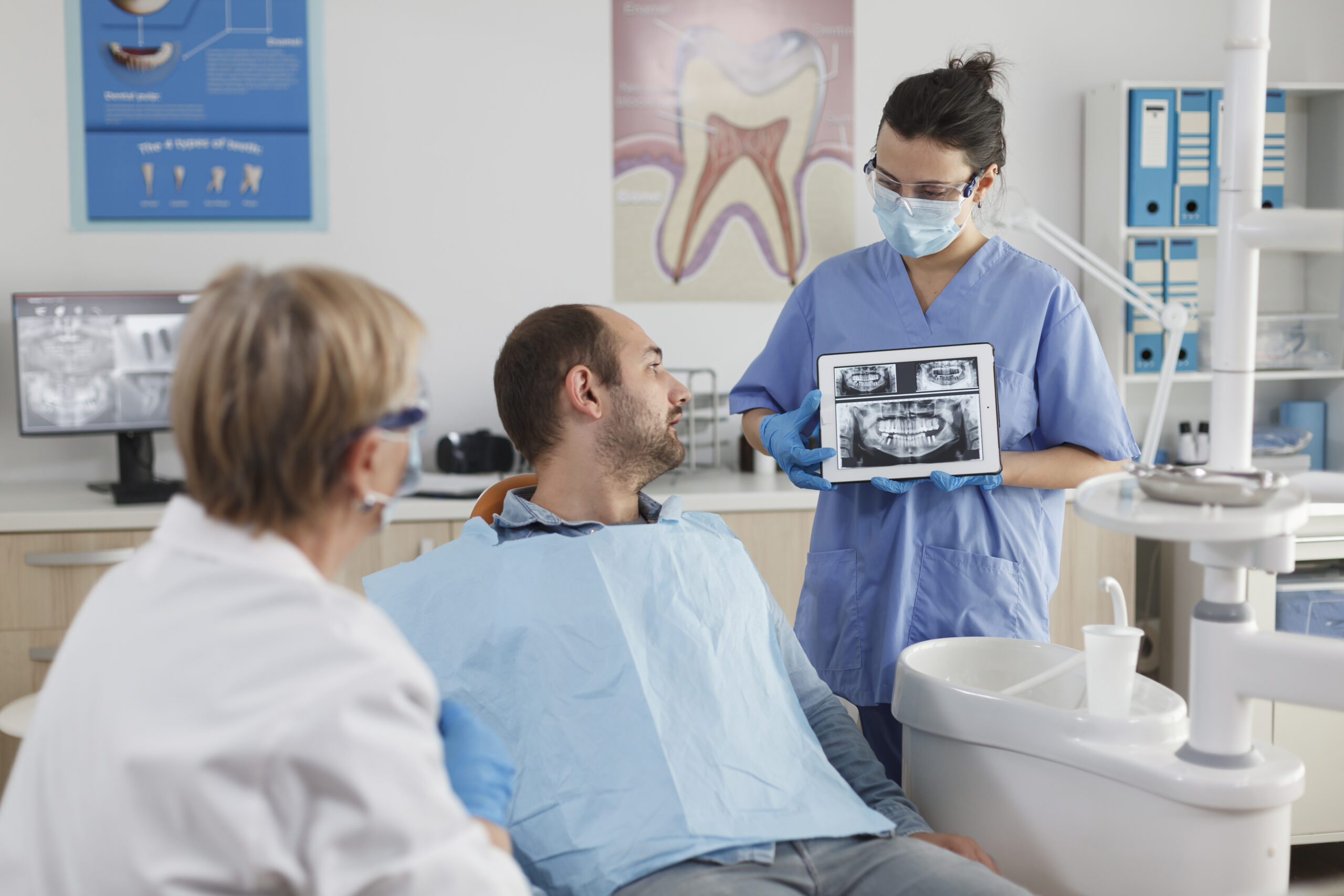
Why Early Dental Diagnosis Matters
When children miss regular dental evaluations, small concerns can become big problems. Their mouths are developing rapidly, and early detection of issues ensures smoother growth and better health. Without timely check-ups, decay, misalignment, and infections may quietly advance. One study on child dental neglect noted that untreated cavities, pain, difficulty eating, and poor appearance all follow from unchecked dental disease.
Because baby teeth guide the eruption and placement of adult teeth, ignored diagnoses during childhood can influence lifelong oral health. In addition to physical discomfort, children might struggle with school, nutrition, and confidence when dental issues go untreated.
The Hidden Costs of Waiting
When parents assume a symptom will resolve by itself or that “baby teeth don’t matter”, the risks multiply. A small cavity may expand, reaching the nerve and causing infection. As noted in recent guidance, delaying treatment allows cavities, gum disease, and misalignment to become far more serious.
The financial cost also rises when early issues become major. What could have been a simple filling becomes a root canal, extraction, or orthodontic work. These more advanced treatments cost more time, more discomfort, and greater expense.
Impact on Nutrition, Sleep & Learning
Children with untreated dental issues may avoid chewing certain foods, reducing their intake of healthy nutrients. Pain or discomfort may interrupt sleep or concentration, which in turn affects mood, behaviour, and school performance. One review found that children suffering from dental neglect had poorer growth, appetite issues, and lower quality of life. Thus, early diagnosis is not just about teeth; it’s about overall well-being.
The Link to Adult Oral Health
Baby and mixed dentition stages are critical. If spacing is lost due to early tooth loss or if misalignment begins unchecked, adult permanent teeth may erupt poorly. That can lead to orthodontic treatment, jaw problems, or compromised oral function.
Moreover, dental neglect in childhood is often a marker for broader neglect or health issues.
Serious Consequences of Ignored Diagnoses
Let’s explore how ignoring dental diagnoses in children can lead to far-reaching consequences.
Pain, Infection, and Tooth Loss
When a diagnosis is missed, unchecked cavities and minor gum inflammation can escalate. A child may end up with a severe toothache, swelling, abscesses, and even systemic infection. According to recent articles, untreated cavities and gum disease in children may spread, affecting other body systems over time.
Early tooth loss is also a risk. When baby teeth are lost prematurely due to decay or extraction, the surrounding permanent teeth may shift into the empty space, causing misalignment and crowding later.
Misalignment, Bite Problems, and Orthodontic Burden
Unchecked problems such as early tooth loss, infection-driven bone loss, or persistent bad habits (thumb-sucking, mouth breathing) can alter jaw growth and dental alignment. These shifts may lead to malocclusion (misaligned teeth and bite), which often means braces, retainers, or even corrective jaw treatment later.
Thus, early diagnosis of factors like developing cavities, gum problems, or jaw irregularities can reduce the need for major orthodontic intervention.
Psychological & Social Impact
A child who avoids smiling due to visible decay, missing teeth, or inflamed gums may suffer low self-esteem or social withdrawal. Some children avoid group activities, talking, or eating in front of others. This can affect social development and confidence.
Also, once a child undergoes a traumatic or painful dental experience, they may develop a fear of dental visits, creating a cycle of avoidance and further neglect.
Broader Health and Developmental Risks
Ignoring dental diagnoses doesn’t stay confined to the mouth; the consequences may ripple into other areas of health.
Nutrition & Growth
If chewing becomes painful, children may opt for softer, less nutritious foods. Over time, this may impact growth, weight gain, and general health. Poor oral health disrupts meals, leading to skipped or avoided episodes, which compromise nutrition.
Systemic Infections & Medical Issues
Infections in the oral cavity can spread. While rare, dental infections may lead to more serious conditions if ignored for long periods. Oral inflammation is also linked with systemic health risks. Recent guidance emphasises that promoting children’s dental health supports their overall physical health.
Also, early misalignment and jaw issues may impair speech development or facial growth if left unchecked. Recognising developmental indicators early helps avoid more complex problems.
Lost Opportunities for Prevention & Education
If diagnoses are ignored, opportunities to teach children and parents about healthy oral hygiene, diet, and habits are lost.
Building Lifelong Habits
Regular visits to assess and diagnose allow the dental team to educate families on brushing, flossing, dietary choices, and monitoring for risk factors. One article states that neglecting those visits means forfeiting educational opportunities that could prevent future problems.
Children who start regular check-ups early tend to accept dental care and maintain good habits into adulthood. Missing that window makes interventions harder later.
Preventive Measures Missed
Protective steps like dental sealants, fluoride treatments, and habit checks (thumb-sucking, pacifier use) are more effective when applied early. If diagnosis and assessment are delayed, these preventive opportunities diminish.
The Future of Your Child’s Smile Is in Your Hands
In summary, ignoring dental diagnoses in children is not a harmless choice: it can trigger pain, infection, tooth loss, misalignment, nutritional deficits, emotional distress, and systemic health implications. Early detection and timely intervention support not only a child’s smile but their overall well-being.
At our clinic, we understand that children’s dental health deserves full attention. We strive to provide a comfortable, friendly environment where minor issues are spotted early and worked on before they become major. If you want your child’s dental development monitored carefully, we invite you to bring them in for a diagnosis and plan that supports healthy growth, confident smiles, and lasting results.
FAQs
At what age should my child start dental check-ups?
Most dental professionals recommend scheduling your child for their first visit when the first baby teeth appear or by their first birthday. Early monitoring helps detect potential issues such as enamel defects or eruption problems before they worsen.
My child has baby teeth that will fall out anyway. Why worry about diagnosing issues?
While baby teeth are temporary, they serve important roles: guiding permanent teeth, supporting chewing and speech, and helping jaw development. Problems with baby teeth can impact the adult teeth and facial growth, so diagnosis is important.
What signs indicate I should bring my child to the dentist immediately?
Look out for persistent toothache, swelling, sensitivity to hot/cold, broken or discoloured teeth, bleeding gums, complaints of difficulty eating or speaking, or visible decay. These indicate the need for timely diagnosis.
Can untreated cavities really affect other parts of the body?
Yes. Untreated cavities can progress to infections or abscesses, which, while uncommon, may enter surrounding tissues or the bloodstream. Furthermore, dental problems may impact sleep, nutrition, and school performance, indirectly affecting overall health.
How can I help prevent dental problems before they become serious?
Ensure your child brushes twice daily with fluoride toothpaste, flosses if age-appropriate, avoids sugary snacks and drinks, has regular check-ups every six months, and receives preventive treatments like sealants if recommended by the dentist.