
A bright smile often comes down to simple, steady habits. Before you reach for harsh whiteners, focus on gentle, natural strategies that respect enamel and gums. This guide explains why stains happen and shows Effective Ways to Remove Stains from Teeth using easy routines, safe home methods, and smart daily choices.
Understanding Tooth Stains and Safe Whitening Basics
Surface Vs. Deeper Stains
Extrinsic stains form on the enamel surface from coffee, tea, wine, spices, and tobacco. Intrinsic stains sit beneath the surface, often from aging, past trauma, certain medicines, or long-term enamel wear. Surface stains usually respond to gentle polishing habits; deeper discoloration may need professional care.
How Enamel And Dentin Affect Color
Enamel is a hard, translucent shell. Dentin underneath is naturally yellow. When enamel thins or roughens, dentin shows through more, making teeth look darker. Protecting enamel texture and mineral content keeps teeth looking lighter.
Why Abrasion Control Matters
Over-scrubbing or using gritty pastes can scratch enamel and expose dentin. Mild abrasives remove surface pigment safely; strong abrasives remove both pigment and tooth structure. Choose products labeled low-abrasive and use a soft brush with light pressure.
Build A Daily Routine That Resists Stains
Consistency beats intensity. Twice-daily brushing, once-daily flossing, and rinsing after color-rich foods prevent pigments from sitting on enamel. Add remineralizing ingredients (like fluoride) to strengthen enamel so stains don’t anchor as easily.
Brushing Technique That Protects Enamel
Angle bristles at 45° to the gumline and use short, gentle strokes. Spend two minutes brushing—no sawing motions. Replace your brush every three months or when bristles splay.
Flossing To Remove Hidden Pigments
Pigments collect where brushes miss. Glide floss along each tooth’s curve to break up film and stain precursors between teeth, improving overall brightness.
Lifestyle Triggers You Can Control
Colorful drinks, frequent snacking, tobacco, dry mouth, and acidic foods speed up discoloration. You don’t need to avoid them completely—adjust how and when you consume them.
Tame Stain-heavy Beverages
Sip coffee, tea, and red wine in shorter windows rather than all day. Use a straw for iced drinks. Rinse with plain water afterward to wash away pigments.
Balance Acids To Protect Shine
Acid softens enamel briefly. Wait 30 minutes after citrus or soda before brushing so you don’t brush softened enamel away. Rinse with water right after acidic foods.
Effective Ways to Remove Stains from Teeth
Use A Soft Brush And Low-abrasive Toothpaste
A soft brush plus a low-abrasive, fluoride toothpaste is a safe foundation for whiter teeth. Fluoride supports remineralization, making enamel smoother and less likely to catch pigments.
Simple Brushing Plan
Morning and night, brush for two minutes. Focus on gumlines and the back of teeth where stains hide. Keep pressure light—let the bristles and paste do the work.
Try A Mild Baking Soda Boost (Sparingly)
Baking soda (sodium bicarbonate) is a gentle polisher that can lift surface stains when used carefully. It’s less abrasive than many DIY powders and helps neutralize acids.
Safe Method And Frequency
Sprinkle a small pinch over your regular toothpaste and brush lightly once a week. Do not scrub hard, and do not use straight baking soda daily. Rinse well.
Oil Pulling With Coconut Or Sesame Oil
Swishing a spoonful of oil for 5–10 minutes can help loosen plaque film where pigments stick. While it isn’t a cure-all, it may make enamel feel smoother and look slightly brighter over time.
How To Do It
Before breakfast, swish 1 teaspoon of oil around teeth and gums without swallowing. Spit into a trash bin (not the sink), then brush as usual. Start with 3–4 days a week.
Low-strength Hydrogen Peroxide Rinse (Only If Suitable)
A very low concentration (around 1.5%–3%) can help break down surface pigments. Many whitening mouthwashes use this level. If gums sting or teeth feel sensitive, stop.
Sensible Precautions
Limit to once a day for one to two weeks, then pause. Keep the liquid away from eyes and clothing, and never swallow. People with mouth ulcers or recent dental work should skip this step.
Eat For Enamel: Crunchy, Mineral-rich, And Water-dense Foods
Crisp fruits and vegetables (apples, carrots, celery) gently scrub as you chew. Leafy greens supply minerals and support saliva, your mouth’s natural cleanser. Cheese and yogurt add calcium and phosphate for enamel strength.
Post-pigment Snack Trick
If you enjoy coffee or tea, follow with crunchy produce or a piece of cheese, then rinse with water. This quick routine reduces pigment contact time.
Green Tea And Herbal Swaps
Black tea and coffee are highly chromogenic. Swapping some cups for green tea or herbal blends may reduce staining over time. If you keep coffee, use a lid or straw for iced versions.
Hydration Habit
Carry a water bottle. Frequent small sips thin out pigments and acids, helping saliva keep enamel clear and glossy.
Whitening Toothpaste Rotation
Rotate a gentle whitening toothpaste into your routine two to three times per week instead of daily. This gives mild stain removal without over-polishing enamel.
Signs To Scale Back
If teeth feel rough or sensitive, return to a regular low-abrasive paste and add enamel-strengthening mouthwash instead.
Tongue Cleaning To Stop Stain Recycling
Pigments and bacteria collect on the tongue, then redeposit on teeth. A quick tongue scrape or brush sweep each morning reduces this reservoir.
Quick Technique
Start at the back and draw the scraper forward with light pressure. Rinse the tool and repeat two to three times.
Smart Timing And Spacing
Group stain-heavy foods and drinks into mealtime rather than sipping or grazing all day. Constant exposure means constant pigment contact.
The 1-2-3 Rinse Rule
One colorful item → two minutes later → three big water swishes. It’s a small habit that pays off in brightness.
What To Approach With Caution
Activated charcoal, acidic fruit rubs (like lemon), and coarse powders may scratch or soften enamel. Banana or orange peels offer little proven whitening effect and can be acidic.
A Safer Mindset
If a method is gritty, strongly acidic, or makes your teeth or gums sore, skip it. Gentle, repeatable habits beat aggressive shortcuts.
When To Consider Professional Guidance
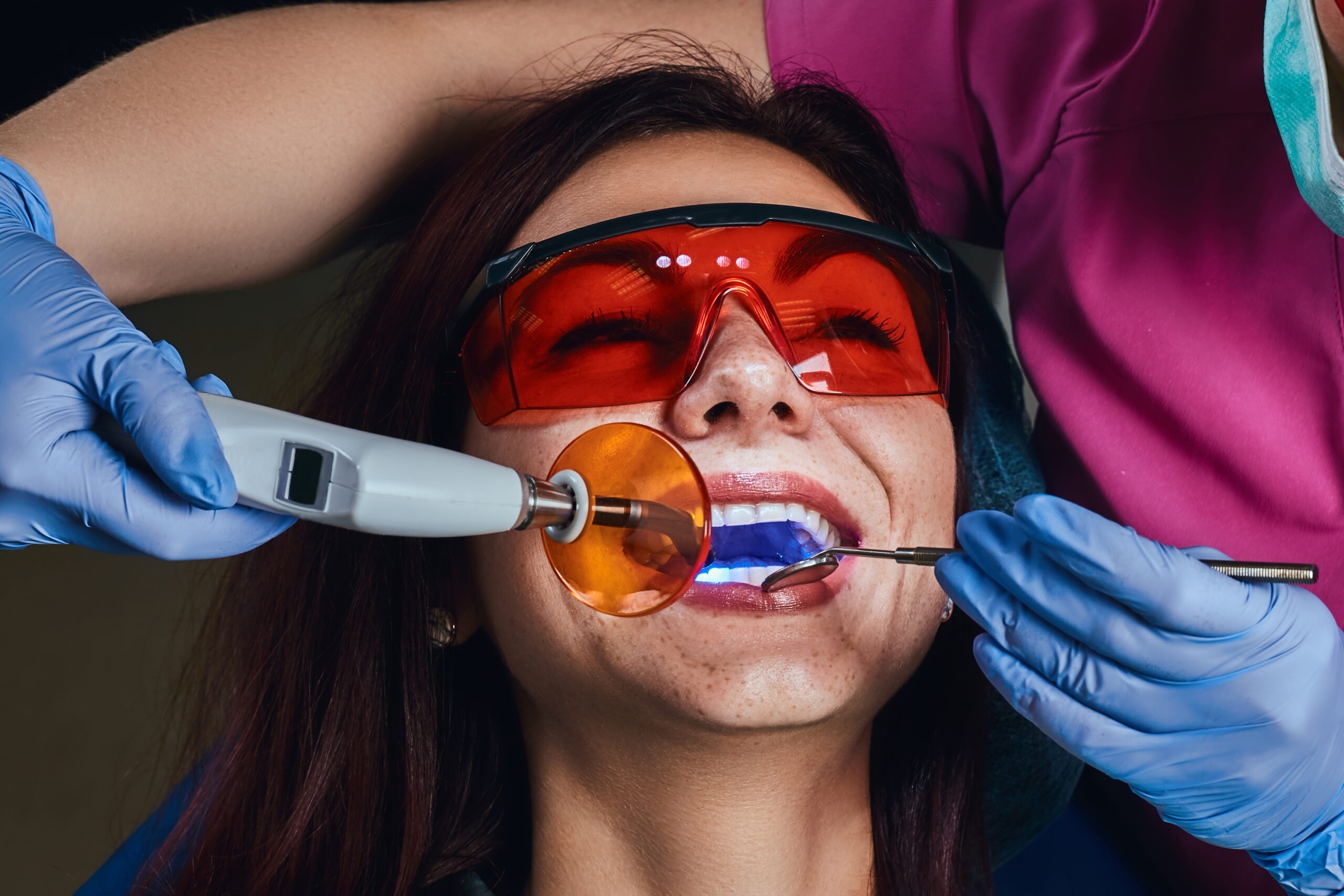
If stains do not respond to home care, or if you notice brown/gray banding, translucent edges, or sudden color changes, talk with a dentist. Professional cleanings remove tartar that traps pigments, and supervised whitening can address deeper discoloration.
Sensitivity Check
People with gum recession, cavities, cracked teeth, or ongoing sensitivity should avoid peroxide products and abrasive boosters until they get care.
A Simple Weekly Plan You Can Keep
- Daily: soft-brush + low-abrasive fluoride paste, floss, tongue clean, water rinse after pigments.
- 3–4× weekly: oil pulling or green-tea swap.
- 1× weekly: a small baking-soda pinch over toothpaste.
- As needed: short course of low-strength peroxide mouthwash if suitable.
Progress Marker
Snap a neutral-light photo of your smile every two weeks to track realistic change. Look for smoother sheen and fewer new stains rather than dramatic shade jumps.