
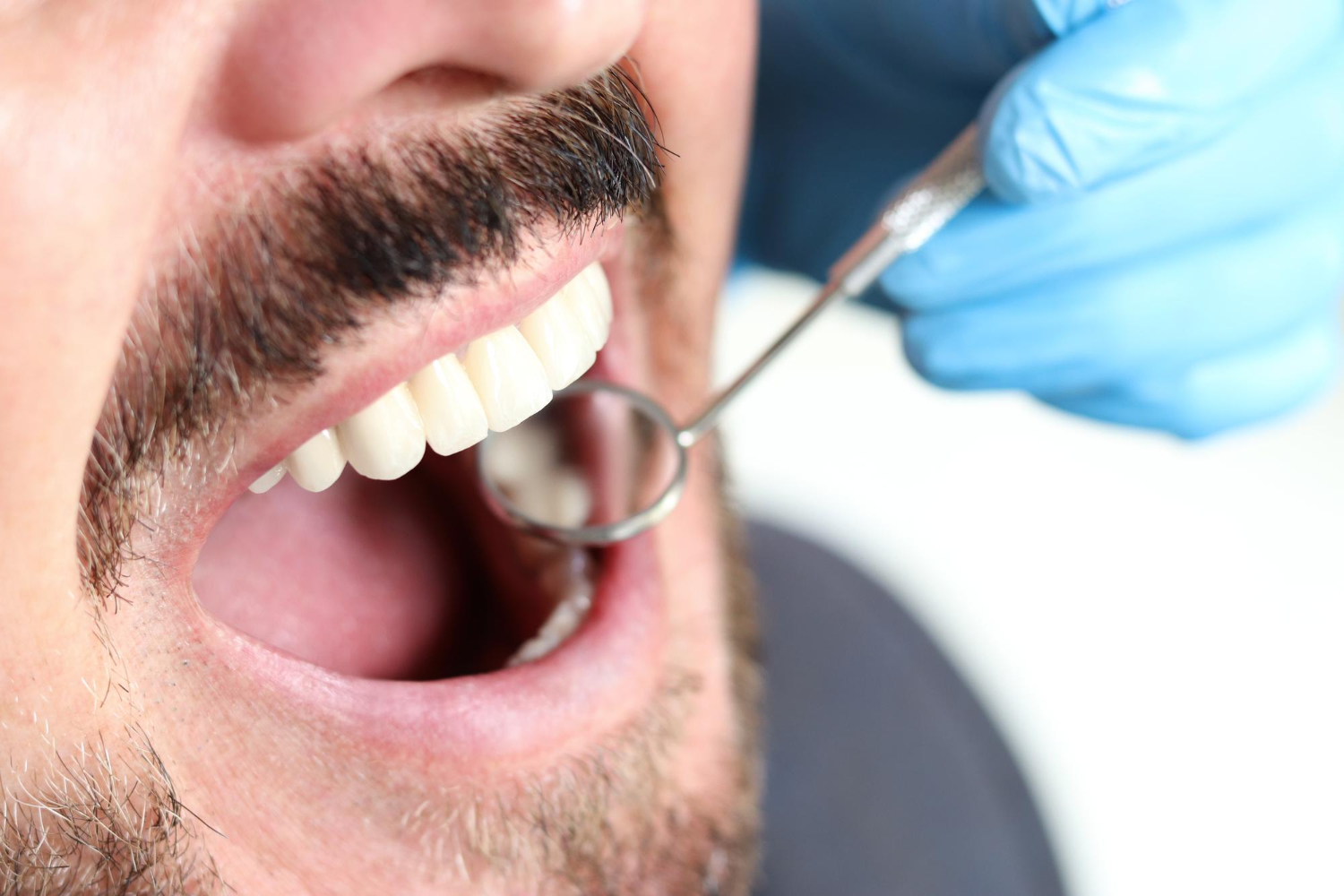
You’ve been told you need a crown, and now you’re staring at a list of material options with names you’ve never heard before, wondering which one genuinely matters for your specific tooth. This is exactly the conversation a good crown dentist has with you before any drilling starts, not a decision made behind the scenes and revealed once the procedure is already underway.
We walk every patient through this material conversation early, because the right choice depends on
- where the crown sits in your mouth,
- how much force that tooth handles daily, and
- what you personally care about most, whether that’s appearance, durability, or comfort.
A thoughtful crown dentist treats this as a genuine decision point, not a formality to rush past.
The Force Test That Decides More Than Looks Ever Could
Here’s something rarely explained clearly: back teeth handle significantly more chewing force than front teeth, sometimes several times more pressure with every bite. A crown dentist factors this directly into material selection, since a material that looks beautiful on a front tooth might not hold up under the grinding pressure your molars experience daily.
This is why the same crown material rarely gets recommended for every tooth in your mouth. Materials built for strength often get prioritized for molars, while materials prioritizing a natural, translucent appearance tend to work better for teeth visible when you smile.
Why Some Patients Need to Mention Their Grinding Habits First
This part almost never comes up until it’s too late: patients who grind their teeth at night put substantially more stress on a crown than patients who don’t, and this detail should shape the material conversation before the procedure, not become a discovery after the crown cracks.
A crown dentist who asks about grinding habits upfront can recommend a more durable material or suggest a nightguard alongside the crown itself, protecting your investment either way.
The Allergy Question Almost No One Thinks to Ask
Something rarely mentioned in these conversations: certain crown materials contain metal alloys that some patients react to over time, showing up as gum irritation or sensitivity around the crown’s edge.
A thorough crown dentist asks about metal sensitivities before recommending a material. Since switching afterward means removing and replacing a crown that’s already been placed, an entirely avoidable situation with the right questions asked early.
Why Color Matching Gets More Complicated
Matching a crown’s color to your surrounding teeth isn’t as simple as picking a shade off a chart. Teeth naturally shift in color slightly throughout the day and can look different under office lighting versus natural sunlight.
An experienced crown dentist checks shade matching in multiple lighting conditions before finalizing the color. A crown that looks perfect under fluorescent office lights can appear noticeably different once you step outside.
The Timeline Detail That Sometimes Shapes the Choice Too
One more factor rarely mentioned upfront: some crown materials can be milled and placed the same day using in-office technology, while others require sending an impression to an outside lab and wearing a temporary crown for a week or two.
If your schedule makes a second appointment difficult, this timing difference is worth raising with your crown dentist during that first material conversation. Since it can influence which option makes the most practical sense alongside everything else.
The Longevity Trade-Off Rarely Explained Honestly
Every material involves some trade-off between strength, appearance, and how the crown feels against your bite.
- Stronger materials sometimes feel slightly different when biting down compared to your natural tooth.
- While more natural-feeling materials may require more careful maintenance over the years.
A straightforward crown dentist will walk you through these trade-offs honestly rather than presenting one option as universally superior.
What the Material Conversation Sounds Like With Us
When patients come to us needing a crown, we start by looking at which tooth is involved, checking for grinding habits or bite issues, and asking about any material sensitivities before ever mentioning a specific product name. That order matters, because it means the material recommendation follows your actual needs instead of leading the conversation.
Final Thought
If you’ve been told you need a crown and haven’t discussed material options yet, it’s worth asking your crown dentist these questions before the appointment, not during it. Come in, and we’ll talk through what fits your tooth and your daily habits before any decision gets made.
At Clove Dental Santa Monica, we treat crown material selection as a conversation, not a checkbox, walking through your bite, your habits, and your priorities before recommending any specific option.