
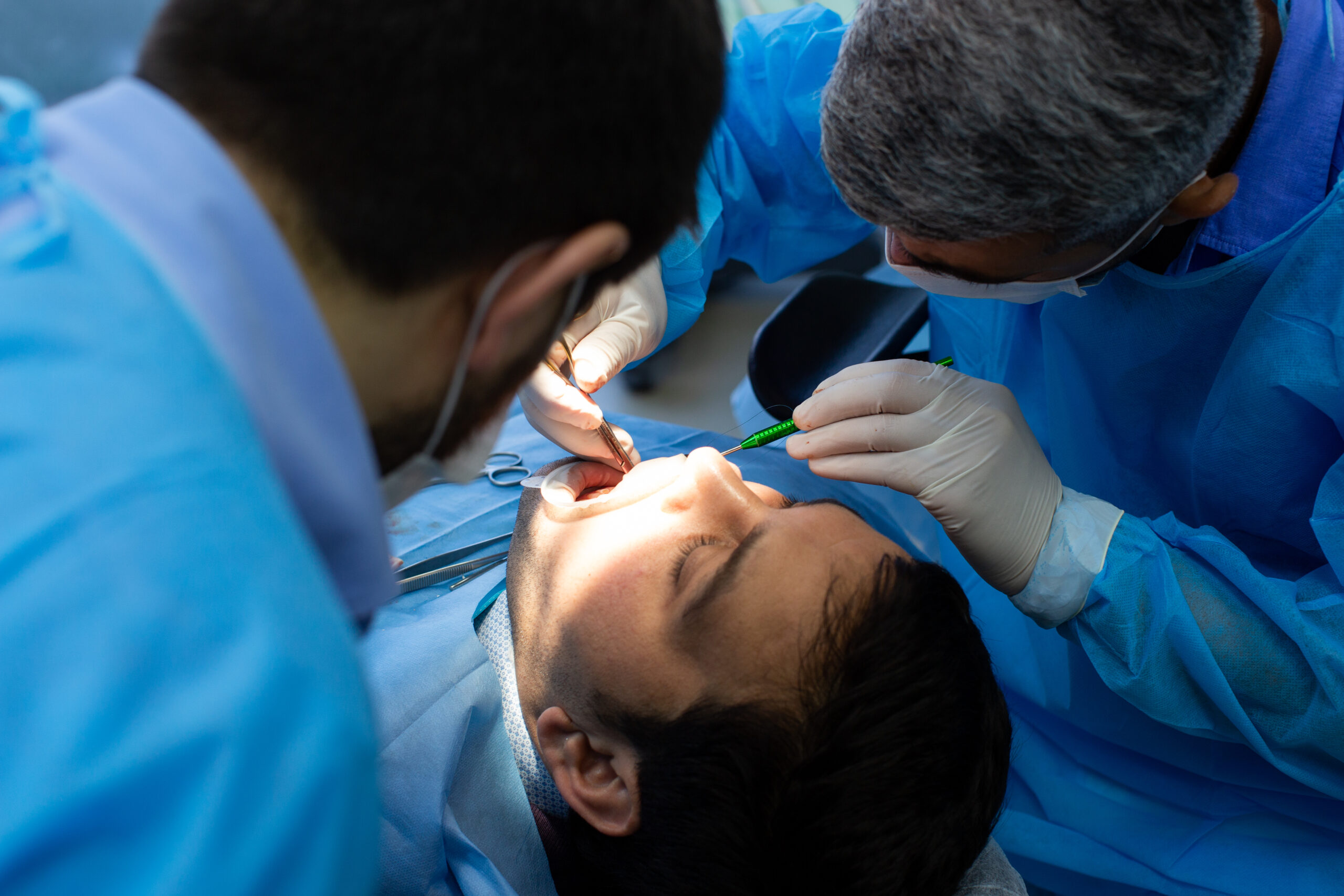
Have you ever wondered why some root canals last for years while others need to be redone? The difference often comes down to one overlooked factor: precision during treatment and proper follow-up afterward. Root canals aren’t just about removing pain, they’re about carefully cleaning, sealing, and protecting a tooth so it can function for the long run. When any step is rushed, failure becomes far more likely.
At Clove Dental santa monica, we take time to explain why root canal treatments succeed in some cases and fail in others, and what patients should know before and after the procedure.
Why Root Canals Get a Bad Reputation
Many people associate root canals with failure stories, but the procedure itself isn’t the problem. Most failures happen because a step was skipped, shortened, or delayed.
A root canal is meant to:
- Remove infected tissue.
- Clean hidden canals thoroughly.
- Seal the tooth to prevent bacteria from returning.
When any of these steps are rushed, the tooth may feel better temporarily, but problems can return. That’s why modern root canal treatments focus on accuracy rather than speed.
The Step That Can’t Be Rushed: Cleaning the Canals
Inside every tooth are tiny canals that house nerves and blood vessels. These canals can be narrow, curved, and hard to reach. Proper cleaning takes time and precision.
If canals aren’t fully cleaned:
- Bacteria can remain inside.
- Infection may return.
- The tooth can fail silently.
Pain relief alone doesn’t mean the infection is gone. Thorough cleaning is what separates durable root canal treatments from short-term fixes.
Why Sealing Matters Just as Much
Once canals are cleaned, they must be sealed properly. This step prevents bacteria from re-entering the tooth.
Rushed sealing can lead to:
- Gaps inside the canal
- Bacterial leakage
- Recurrent infection
Even a small space can compromise the outcome. High-quality root canal treatments focus on creating a tight, long-lasting seal.
The Role of Follow-Up Care in Root Canal Success
One of the most common reasons root canals fail has nothing to do with the procedure itself; it’s what happens afterward. A treated tooth is more fragile than a healthy one.
Without proper restoration:
- The tooth may crack.
- Bacteria can enter through small fractures.
- The root canal can fail over time.
Crowns or protective restorations are often recommended after root canal treatments to strengthen the tooth and protect the work done inside.
Why “No Pain” Doesn’t Always Mean “Problem Solved”
After a root canal, pain usually decreases quickly. While that’s a good sign, it doesn’t guarantee long-term success.
A tooth can feel fine while:
- Infection slowly returns.
- Structural damage develops.
- Hidden cracks form.
That’s why follow-up visits matter. Monitoring treated teeth helps ensure root canal treatments are holding up as intended.
How Precision Reduces the Need for Retreatment
Redoing a failed root canal is more complex than doing it right the first time. Precision reduces the chances of:
- Additional procedures
- Tooth extraction
- Implant replacement
Patients benefit most when root canal treatments are approached with careful planning, proper imaging, and attention to detail.
Why Some Root Canals Fail Years Later
Not all failures happen immediately. Some take years to show symptoms. Often, these cases trace back to:
- Missed canals
- Incomplete sealing
- Delayed restorations
This is why quality control matters at every stage. Long-lasting root canal treatments rely on both technical skill and patient follow-through.
How We Approach Root Canal Care
At Clove Dental santa monica, we don’t rush root canals. We focus on accuracy, clear communication, and long-term protection. Patients are guided through what happens during treatment and what’s needed afterward to protect the tooth.
Our goal with root canal treatments is simple: relieve infection, preserve your natural tooth, and reduce the chance of future problems.